
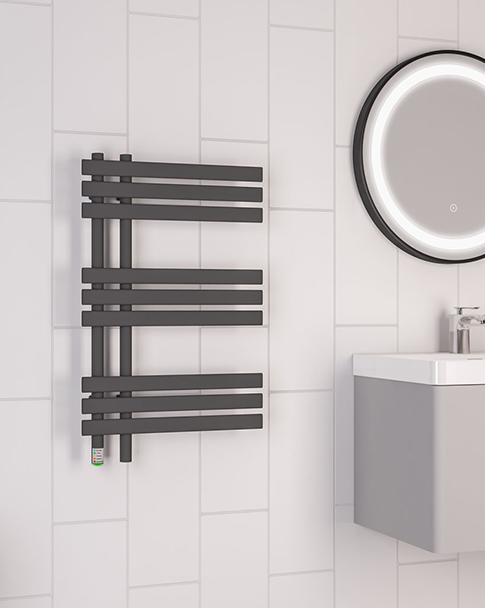

Finding the right OEM electric towel rack manufacturer is one of the most critical decisions a bathroom brand or hospitality buyer can make. Whether you are sourcing a custom heated towel rack for a boutique hotel chain or a wholesale electric towel warmer supplier for a multi-brand distribution network, the manufacturer you choose directly affects your product quality, lead times, compliance, and ultimately your reputation in the market.
In this guide, we walk through the essential criteria for evaluating an OEM partner for horizontal bar electric towel racks — from manufacturing capability and quality control to compliance certifications and customization flexibility.
1. Vertically Integrated vs. Assembly-Only Manufacturing
The structure of your manufacturer's production chain matters far more than most buyers realize. A vertically integrated manufacturer controls the entire process — from R&D and prototyping to tooling, stamping, welding, surface finishing, and final assembly. This means tighter quality control, shorter lead times, and better cost efficiency.
In contrast, assembly-only factories merely put together components sourced from third parties. This introduces risks in quality consistency, supply chain disruptions, and communication delays.
When evaluating an OEM electric towel rack manufacturer , ask whether they operate in-house tooling workshops, surface finishing lines, and testing labs. A manufacturer with facilities spanning multiple cities — for example, R&D in Shenzhen, automation in Dongguan, and high-volume production in Fujian — demonstrates scalable capacity and redundancy.
2. Global Compliance Certifications You Cannot Ignore
When selling electric towel warmers in international markets, compliance isn't optional — it's the entry ticket. A reliable OEM partner must hold the following certifications at a minimum:
| Certification | Market | Key Requirement |
|---|---|---|
| CE | European Union | Low Voltage Directive (LVD) & Electromagnetic Compatibility (EMC) |
| ETL | North America | Safety testing per UL/CSA standards for electrical appliances |
| RoHS | Global | Restriction of hazardous substances in materials and components |
| IPX5 / IP55 | Global | Water ingress protection — critical for bathroom environments |
Beyond certifications, ask about cycle testing protocols. A reputable manufacturer will conduct 100,000+ cycle safety tests on heating elements and switches. Look for suppliers who provide test reports from accredited third-party labs, not just self-declared compliance.
3. Product Customization Depth: Color, Finish, Power & Plug
For brands that want differentiation, customization capability is a key differentiator. A strong OEM partner should offer flexibility across multiple dimensions:
| Customization Option | What It Means |
|---|---|
| Material Selection | 6063 aviation aluminum, stainless steel, or alloy with anti-corrosion treatment |
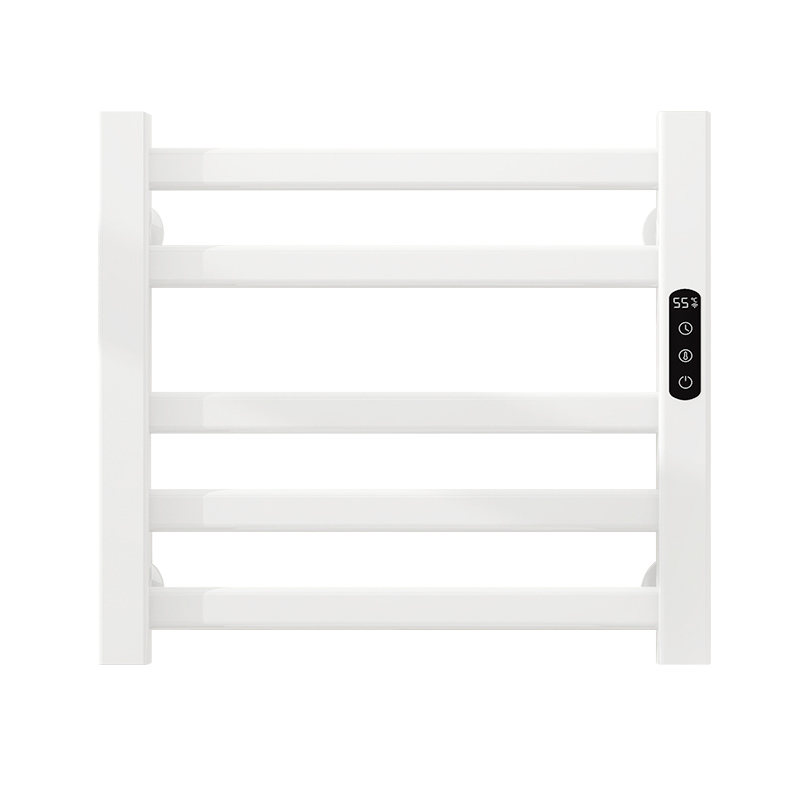
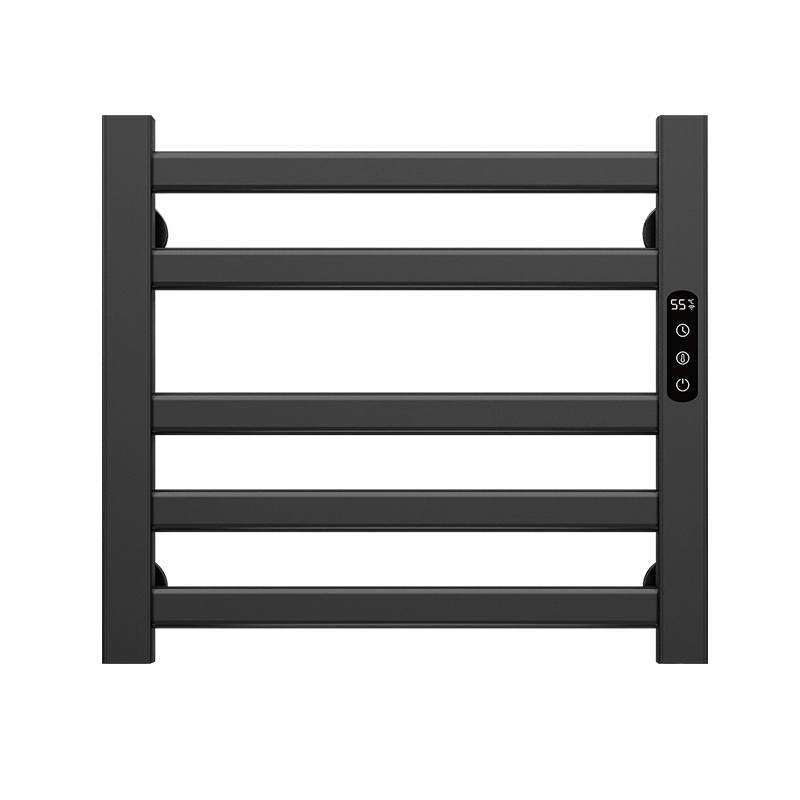
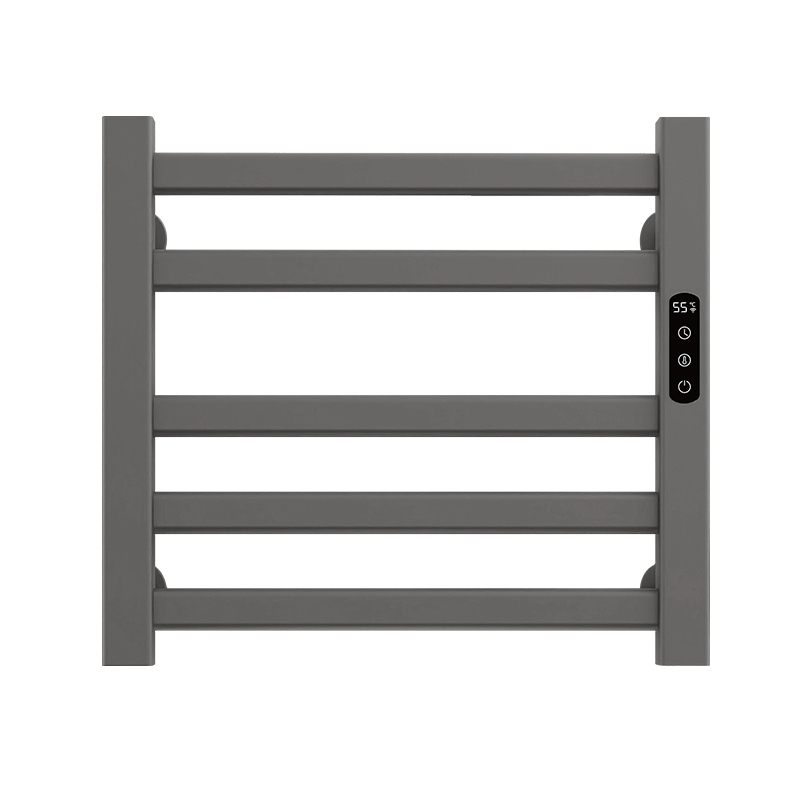
| Surface Finish | Matt white, black, grey, or fully custom finish per your brand identity |
| Power & Voltage | 60W–300W, 110V–240V, tailored to your target market |
| Plug Types | US (NEMA), EU (Schuko), UK (BS 1363), AU (AS/NZS), etc. |
| Smart Features | WiFi/APP remote control, voice control, timed heating, LED display |
| Packaging | Custom color box packaging with your branding |
For buyers with smaller MOQ needs, look for manufacturers willing to offer MOQs as low as 50 pieces per SKU, with free sample availability for loyal customers before mass production.
4. Smart Heating Technology & Energy Efficiency
The market is shifting toward intelligent, energy-saving towel warmers. A forward-thinking OEM manufacturer should offer smart-ready features:
If your target market includes eco-conscious consumers or energy-rated building projects, energy-efficient towel warmers can be a strong selling point.
5. Lead Times, Sample Policy & Supply Chain Resilience
Time-to-market is a competitive advantage. Evaluate your OEM partner on these practical metrics:
A professional OEM partner will also assign a dedicated project manager to handle communication, logistics, and tariff classification support for EU/NA markets.
Conclusion
Choosing the right wholesale electric towel warmer supplier goes beyond comparing price lists. It's about vetting manufacturing depth, compliance credentials, customization flexibility, and supply chain reliability. By focusing on these five criteria, you can confidently select an OEM electric towel rack manufacturer that supports your brand's growth — not just today, but as you scale into new markets.



 IPv6 Network Supported

